
Comparing Coastal Decor vs Traditional Home Decor
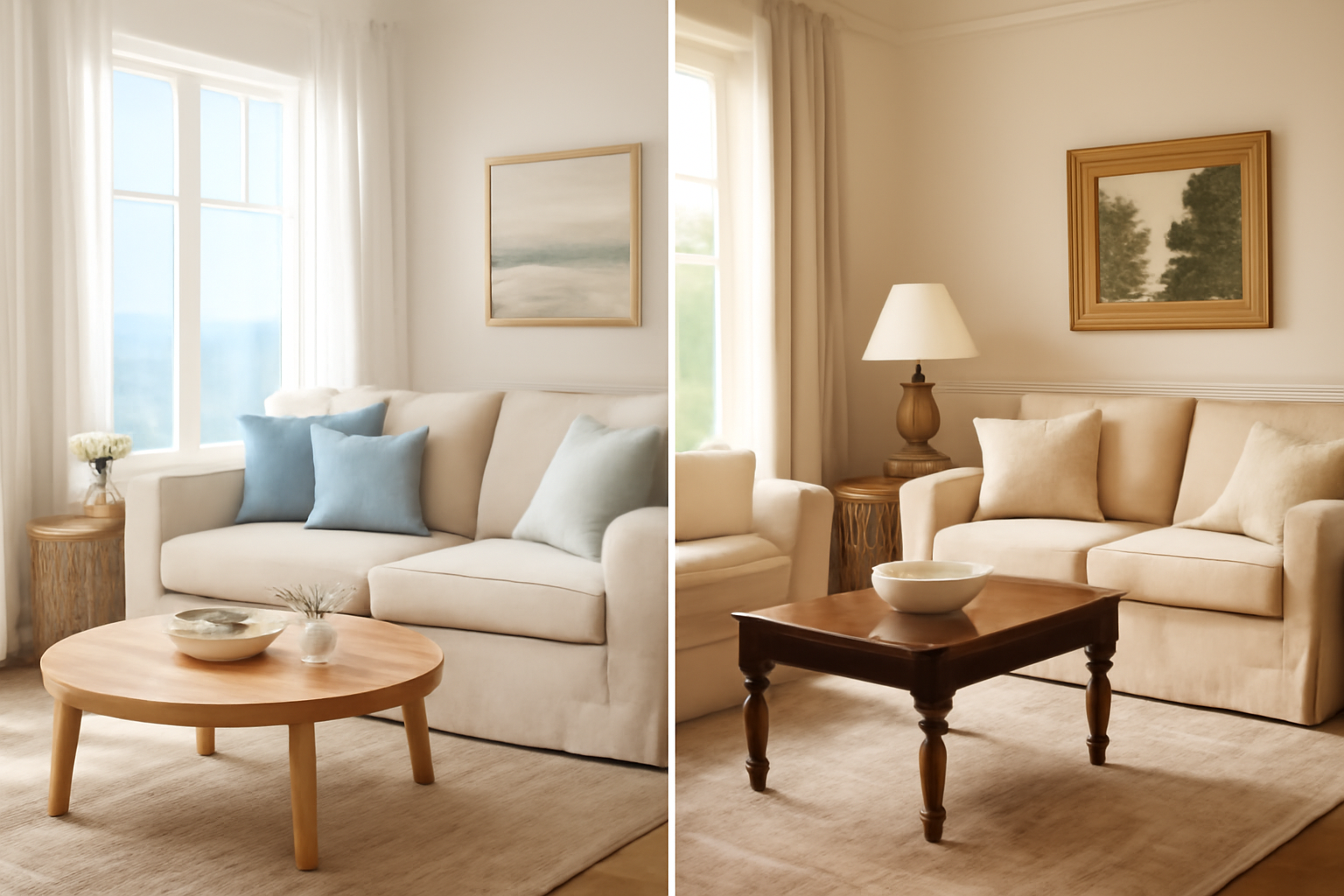
When it comes to decorating your home, choosing between coastal decor and traditional home decor can be quite the dilemma. Each style offers distinct aesthetics, vibes, and functionalities that cater to different preferences and lifestyles. Understanding the differences can help you make a more informed decision that aligns with your vision for your space.
This comparison will explore key aspects of coastal decor and traditional home decor, highlighting their unique characteristics, benefits, and potential drawbacks. Whether you're looking to create a serene beach house atmosphere or a classic, timeless feel, knowing your options is the first step.
Table of Contents
Defining Coastal Decor
Coastal decor embodies the essence of beach living, characterized by light, airy colors, natural materials, and ocean-inspired motifs. It aims to evoke a sense of tranquility and relaxation, ideal for creating serene spaces.
Key Features of Coastal Decor
- Color Palette: Soft blues, sandy beiges, whites, and greens.
- Materials: Natural fibers, driftwood, and light woods.
- Patterns: Nautical stripes, seashells, and marine life themes.
- Furniture Style: Casual, comfortable pieces that encourage relaxation.
Defining Traditional Home Decor
Traditional home decor, on the other hand, is rooted in classic design principles and often features rich colors, ornate details, and structured furnishings. This style reflects a sense of history and elegance, appealing to those who appreciate timeless aesthetics. buying coastal decor errors.
Key Features of Traditional Home Decor
- Color Palette: Deep colors like burgundy, navy, and earthy tones.
- Materials: Wood, leather, and heavy fabrics such as velvet and brocade.
- Patterns: Floral prints, damask, and intricate designs.
- Furniture Style: More formal, often with antique or vintage pieces.
Comparison Table
| Feature | Coastal Decor | Traditional Home Decor |
|---|---|---|
| Color Palette | Light, airy colors such as soft blues, sandy beiges, and crisp whites create a refreshing ambiance. These colors reflect the beach environment, evoking feelings of calm and serenity. To achieve a cohesive look, consider using a color wheel to select complementary shades, ensuring that your coastal palette remains harmonious throughout your space. | Rich, deep colors like burgundy, forest green, and navy blue are often used to create a warm and inviting atmosphere. These colors can add a sense of luxury and formality to a room. When choosing colors, think about how they can be balanced with lighter accents to avoid overwhelming the space. |
| Materials | Natural fibers such as jute, sisal, and cotton are common in coastal decor. Light woods like pine or driftwood enhance the beachy vibe. Incorporating these materials can be as simple as adding a jute rug or cotton throw pillows. Remember to look for sustainably sourced options to maintain an eco-friendly approach. | Wood, leather, and heavy fabrics like velvet or brocade are staples of traditional home decor. These materials provide durability and a sense of permanence. When selecting furniture, consider the weight and texture of the materials to ensure they complement the overall design. A well-chosen leather sofa can serve as a timeless centerpiece. |
| Patterns | Nautical and ocean-inspired patterns, such as stripes, shells, and waves, are prevalent in coastal decor. To incorporate these patterns effectively, choose a few key pieces, like a patterned throw or curtains, and balance them with solid colors. Mixing different patterns can create visual interest, but stick to a limited color palette to maintain cohesion. | Floral and intricate designs are characteristic of traditional decor. These patterns often feature rich colors and detailed motifs. When using floral patterns, consider the scale; larger patterns can make a bold statement, while smaller ones can add subtle charm. Aim for a mix of patterns that harmonize rather than compete for attention. |
| Furniture Style | Casual and comfortable furniture, such as slipcovered sofas and oversized chairs, encourages relaxation. Look for pieces that invite lounging and socializing, like a large sectional or a comfy armchair. When accessorizing, opt for soft cushions and throws that enhance comfort and add a touch of style. | Formal and structured furniture pieces, such as wingback chairs and ornate tables, create a sense of elegance. When selecting furniture, consider the scale of your space; larger pieces can dominate a room, while smaller items can create a more intimate feel. Balance formal pieces with softer elements, like plush cushions or a warm area rug, to create a welcoming environment. |
| Overall Atmosphere | Relaxed and tranquil, coastal decor encourages a laid-back lifestyle. To enhance this atmosphere, incorporate elements that evoke the beach, such as seashells, coral, and ocean-themed art. Soft lighting and natural scents, like coconut or sea breeze, can further enhance the serene environment. | Elegant and classic, traditional home decor often includes ornate details and rich textures. To create this atmosphere, focus on symmetry and balance in your design. Incorporate statement pieces, like a grand chandelier or an antique mirror, to add sophistication. Layering textiles and using rich color combinations can also contribute to a warm, inviting feel. |
Benefits of Coastal Decor
Coastal decor is ideal for creating a tranquil home atmosphere. It encourages relaxation and often brings a sense of the outdoors inside. Here are some benefits:
- Promotes a calming environment, perfect for unwinding after a long day.
- Versatile in various settings, from beach houses to urban apartments.
- Easy to personalize with ocean-inspired decor that reflects your style.
Benefits of Traditional Home Decor
Traditional home decor offers its own set of advantages, particularly for those who appreciate a classic aesthetic. Some benefits include:
- Timeless appeal that never goes out of style.
- Rich textures and patterns that add depth to any room.
- Flexibility in incorporating heirlooms or antique pieces.
Timeless Appeal
One of the most significant benefits of traditional home decor is its timeless appeal. Unlike trends that come and go, traditional styles are rooted in history and often evoke a sense of nostalgia. This means that when you invest in traditional decor, you're making a choice that will remain relevant for years to come. To ensure your space has that classic touch, consider the following:
- Choose a color palette that includes neutral tones, rich jewel colors, or soft pastels.
- Incorporate classic furniture styles, such as wingback chairs or tufted sofas, that have stood the test of time.
- Utilize decorative elements like crown molding, wainscoting, or coffered ceilings to enhance the traditional feel.
Rich Textures and Patterns
Traditional decor is known for its use of rich textures and intricate patterns, which can add a sense of warmth and comfort to your home. These elements can make a space feel inviting and lived-in. Here are some practical tips for incorporating textures and patterns:
- Layer textiles such as velvet, silk, and cotton in your furnishings. For example, a velvet throw on a cotton sofa can create a beautiful contrast.
- Opt for patterned wallpaper or fabric, such as damask or paisley, to create focal points in a room. A single accent wall can dramatically change the vibe of your space.
- Use area rugs with traditional motifs to define spaces and add visual interest, especially in open floor plans.
Incorporating Heirlooms and Antiques
Traditional decor allows for the seamless integration of heirlooms and antique pieces, making your home feel personal and unique. These items often carry stories and memories, enriching the atmosphere of your space. Here's how to effectively incorporate these treasures:
- Display heirloom furniture as statement pieces. For instance, a vintage dining table can serve as the centerpiece of your dining area.
- Mix antiques with modern elements to create a balanced look. Pairing a classic sideboard with contemporary art can bridge the gap between old and new.
- Utilize decorative accessories like vintage vases, framed family photos, or antique mirrors to add character to your decor. These small touches can enhance the overall traditional aesthetic.
Common Mistakes to Avoid
While traditional decor can be very rewarding, there are some common pitfalls to watch out for:
- Overcrowding a space with too many patterns or textures can create visual chaos. Aim for a balanced approach by limiting busy designs to one or two focal areas.
- Neglecting scale can lead to a disjointed look. Ensure that your furniture and decor items are proportionate to the size of the room.
- Forgetting to add personal touches can make a traditional space feel impersonal. Incorporate items that reflect your personality and history to create warmth and connection.
In summary, traditional home decor provides a wealth of benefits, from its timeless appeal and rich textures to the ability to incorporate meaningful heirlooms. By understanding these advantages and avoiding common mistakes, you can create a beautifully cohesive traditional space that feels both elegant and inviting.
Common Pitfalls in Coastal Decor
While coastal decor is appealing, there are common pitfalls that enthusiasts should be aware of. Overusing beach-themed elements can lead to a kitschy look. Instead, aim for a balanced approach with subtle ocean-inspired decor that feels sophisticated yet cozy. Choosing a lightweight cozy blanket or a luxurious throw blanket can enhance your coastal theme without overwhelming the space.
Common Pitfalls in Traditional Home Decor
Similarly, traditional home decor can become stuffy or overly formal if not approached thoughtfully. Mixing too many patterns or using overly heavy furnishings can make a space feel cramped. It's important to balance classic elements with modern touches to create a welcoming environment.
1. Overusing Ornate Patterns
One of the most common mistakes in traditional decor is the overuse of ornate patterns. While floral and damask patterns can add elegance, too many competing designs can overwhelm the senses. Here are some practical tips to avoid this pitfall:
- Choose a Focal Point: Select one or two standout patterns for key pieces, such as curtains or an accent chair, and keep the rest of the decor more subdued. This creates a visual anchor.
- Limit Color Palettes: Stick to a cohesive color scheme. For instance, if you choose a bold floral print, consider using solid colors that complement the hues in the pattern for other elements.
- Mix Textures, Not Patterns: Instead of layering multiple patterns, play with textures. A velvet sofa can pair beautifully with a silk throw and a woven rug without clashing visually.
2. Heavy Furnishings
Traditional decor often features heavy, ornate furniture that can make a room feel cramped. To maintain a light and airy atmosphere, consider these strategies:
- Opt for Sleeker Designs: Look for furniture with slimmer profiles. A classic wooden chair with spindles can offer traditional charm without the bulk of a heavy armchair.
- Incorporate Multi-Functional Pieces: Use furniture that serves more than one purpose, such as an ottoman that can double as a coffee table or extra seating.
- Balance with Open Spaces: Ensure there's enough space between furniture pieces. A good rule of thumb is to leave at least 18 inches between seating to promote flow and ease of movement.
3. Ignoring Lighting
Lighting plays a crucial role in traditional home decor, yet it is often overlooked. Poor lighting can make even the most beautiful decor appear uninviting. To enhance your space:
- Layer Your Lighting: Use a combination of ambient, task, and accent lighting. For example, pair a stunning chandelier with table lamps and wall sconces to create a warm, inviting glow.
- Consider Natural Light: Maximize natural light by using sheer curtains that allow sunlight to filter through. This not only brightens the space but also adds a soft touch to the decor.
- Choose Warm Bulbs: Opt for warm-toned light bulbs to create a cozy atmosphere. Cool white bulbs can feel harsh and clinical, detracting from the warmth of traditional decor.
4. Neglecting Personal Touches
Traditional decor can sometimes feel impersonal or generic. To make your space feel like home, incorporate personal touches:
- Display Family Heirlooms: Incorporate items that have personal significance, such as family photos in classic frames or vintage pieces that tell a story.
- Use Art with Meaning: Select artwork that resonates with you. Whether it's a landscape of your favorite vacation spot or a painting from a local artist, personal art adds character.
- Incorporate Travel Finds: Use decor items collected from your travels, such as a traditional vase or a handcrafted sculpture, to infuse your home with unique charm and memories.
5. Lack of Cohesion
A common issue in traditional home decor is the lack of a cohesive design theme. This can lead to a disjointed look that feels chaotic rather than harmonious. To create a unified space:
- Establish a Design Theme: Decide on a central theme or style (e.g., French country, Victorian, or colonial) and stick to it throughout your decor choices.
- Use Consistent Materials: Choose a few key materials (like wood, brass, or fabric types) and use them throughout the space to create a sense of continuity.
- Plan Your Layout: Before purchasing new items, sketch out your room layout to visualize how different pieces will work together. This can help avoid impulsive buys that disrupt cohesion.
By being mindful of these common pitfalls, you can create a traditional home decor style that feels inviting and stylish rather than stuffy and overwhelming. Balance is key; integrating modern elements and personal touches will ensure your space remains comfortable and reflective of your personality.
Which Option Fits You?
Choosing between coastal decor and traditional home decor largely depends on your personal style and the atmosphere you wish to create. Here are some scenarios to consider:
- If you love the beach and want a relaxing retreat, coastal decor might be your best fit.
- If you enjoy timeless elegance and have inherited antique pieces, traditional decor is likely more suitable.
- For a space that balances comfort and sophistication, consider integrating elements from both styles.
Conclusion
Deciding between coastal decor and traditional home decor ultimately comes down to your lifestyle and preferences. By understanding the key differences and benefits of each style, you can confidently choose a decor approach that reflects your personality and enhances your home. Consider visiting West Coast Home Decor for inspiration and unique items that fit your chosen style, such as ocean-inspired decor and soft velveteen material to elevate your space.