
Comparing Handmade vs Factory-Made Coastal Decor
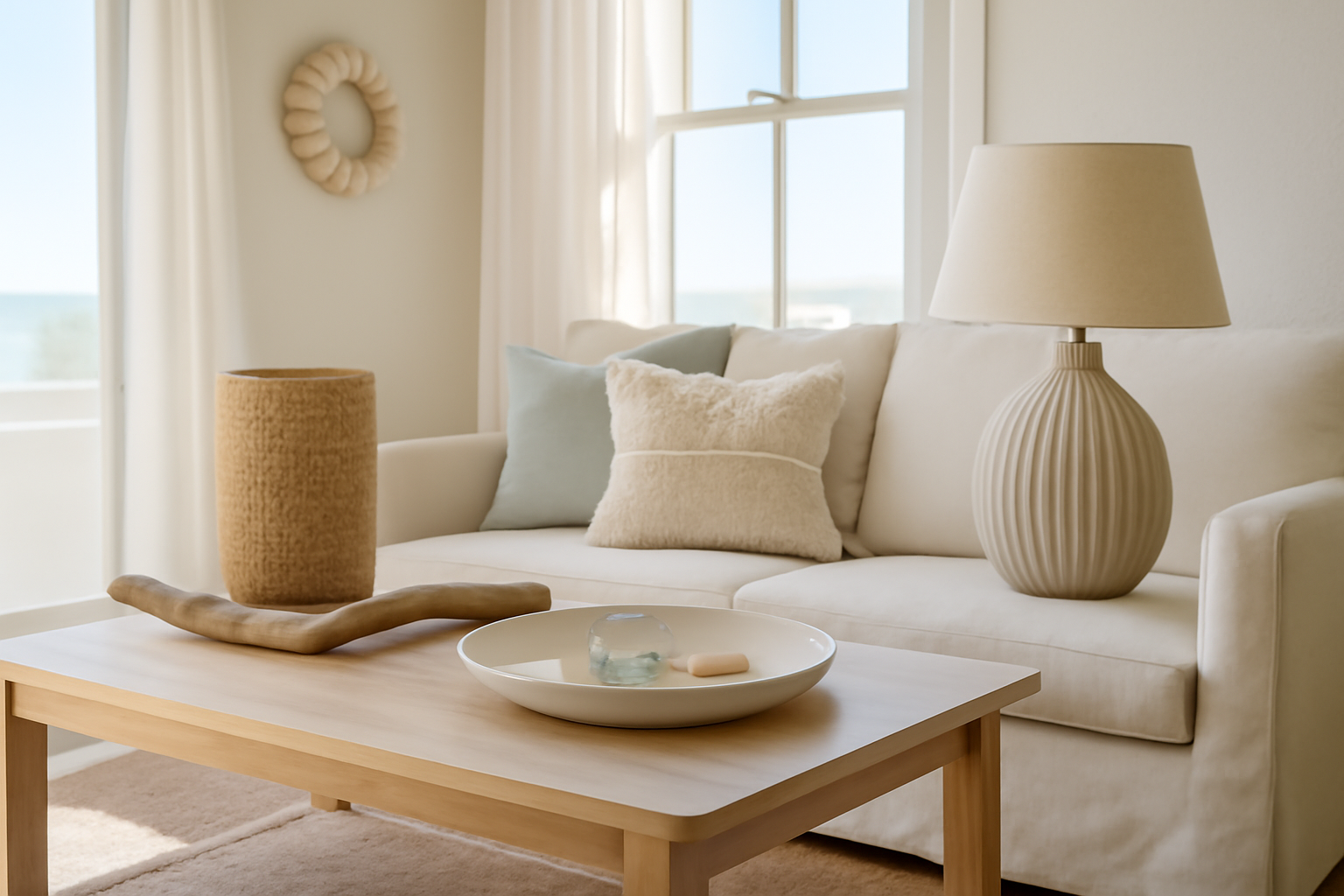
Deciding between handmade and factory-made coastal decor can be tricky, especially when you're aiming to create that perfect beach-inspired vibe in your home. Both options come with their unique advantages and potential downsides, which can influence your decorating choices.
This post will help you understand the key differences between handmade and factory-made coastal decor, so you can make a more informed decision that aligns with your style and needs.
Table of Contents
Understanding Handmade Coastal Decor
Handmade coastal decor is crafted by artisans, often featuring one-of-a-kind pieces that reflect personal creativity and individual craftsmanship. These items can add a unique charm to your space, making it feel distinctly yours.
Benefits of Handmade Decor
- Uniqueness: Each piece is often unique, offering a sense of exclusivity.
- Quality Craftsmanship: Artisans typically focus on quality and detail, resulting in beautifully made items.
- Support for Local Artisans: Purchasing handmade items often supports local creators and small businesses.
Considerations with Handmade Decor
- Cost: Handmade items can be more expensive due to the labor involved.
- Availability: Some items may have limited availability or longer lead times.
- Variability: Each piece may vary slightly, which can be a concern for those looking for uniformity.
Exploring Factory-Made Coastal Decor
Factory-made coastal decor is produced in larger quantities, often using assembly line methods. This type can provide a more consistent look and feel, making it easier to match items within a collection. buying coastal decor errors.
Benefits of Factory-Made Decor
- Affordability: Generally more budget-friendly due to mass production.
- Consistency: Items are uniform, which can be desirable for matching decor elements.
- Immediate Availability: Often readily available for quicker delivery.
Considerations with Factory-Made Decor
- Lack of Uniqueness: These items may not stand out as much, lacking the personal touch of handmade pieces.
- Quality Concerns: Some factory-made items may compromise on quality in favor of cost.
- Environmental Impact: Mass production can have a larger environmental footprint.
Comparison Table
| Feature | Handmade Decor | Factory-Made Decor |
|---|---|---|
| Uniqueness | One-of-a-kind pieces that often reflect the artisan's personal style and creativity, making each item special. For example, a handmade vase might feature unique glazing techniques or shapes that cannot be replicated. | Uniform designs that are mass-produced, ensuring consistency across items. For instance, a factory-made lamp will have identical shapes, sizes, and colors, making it easy to match with other pieces but lacking individuality. |
| Price | Typically higher due to the labor-intensive process and the quality of materials used. Handmade items often reflect the time and skill invested in creating them. Consider budgeting for handmade decor as an investment in quality and uniqueness. | More affordable since production is streamlined and materials are often sourced in bulk. This allows for lower prices but may sacrifice some quality or uniqueness. It's common to find sales or discounts on factory-made items, making them budget-friendly. |
| Craftsmanship | Artisanal quality that showcases skilled craftsmanship. Each piece is often crafted with care, attention to detail, and a personal touch. For example, a handmade wooden table may feature intricate carvings or finishes that highlight the wood's natural beauty. | Mass-produced items may lack the same level of detail and personal touch. While they can be functional and aesthetically pleasing, they might not have the same durability or character as handmade pieces. Common mistakes include overlooking the importance of material quality when choosing factory-made decor. |
| Availability | Limited availability with longer lead times, as each piece is made individually. This means planning ahead is essential if you want a specific item for an event or to match a particular decor style. | Readily available in stores and online, allowing for quick purchases. You can often find items in various styles and colors, making it easy to complete your coastal decor theme without long waits. |
| Support | Supports local artisans and small businesses, contributing to the local economy and promoting sustainable practices. When purchasing handmade decor, consider the story behind the piece and the artisan who created it. | Supports larger companies that may have a broader reach but can sometimes overlook local craftsmanship. While they provide jobs and economic benefits, the connection to community artisans is often lost. When choosing factory-made decor, consider the ethical implications of your purchases. |
Which Option Fits You?
Your choice between handmade and factory-made coastal decor may depend on your personal style, budget, and the atmosphere you wish to create in your home.
Choose Handmade If:
- You value uniqueness and want your decor to reflect your personal style.
- You appreciate the craftsmanship and are willing to invest in higher-quality items.
- You want to support local artisans and small businesses.
Choose Factory-Made If:
- You are on a tighter budget and need decor that fits your financial plan.
- You prefer consistency and want matching items throughout your home.
- You need decor that is readily available for immediate use.
Finding the Right Balance
Incorporating both handmade and factory-made coastal decor can create a diverse and inviting space. For instance, you might choose a luxurious throw blanket handmade with soft velveteen material as a focal point in your living room, complemented by ocean-inspired decor from factory-made collections. Mixing and matching can help you achieve a cozy yet stylish atmosphere.
Common Pitfalls to Avoid
When navigating your decor choices, be mindful of common pitfalls in coastal decor, such as over-saturating your space with too many similar items or neglecting the importance of texture. A balanced approach, with a mix of textures and styles, will help maintain a tranquil home atmosphere.
1. Over-Saturation of Similar Items
One of the most frequent mistakes is filling a space with too many items that are similar in style, color, or theme. While it's tempting to create a cohesive look, an overabundance of similar decor can make a room feel cluttered and overwhelming. Here are some tips to avoid this pitfall:
- Limit Repetition: Choose a few key pieces that truly represent your coastal theme and allow them to stand out. For example, if you have a collection of seashells, select a few favorites to display prominently rather than showcasing every shell you own.
- Incorporate Variety: Mix different styles and textures. For instance, pair a sleek, modern vase with a rustic driftwood piece to create visual interest. This contrast can enhance the coastal vibe without feeling repetitive.
- Use Negative Space: Don't be afraid to leave some areas of your decor intentionally sparse. This allows the eye to rest and can highlight your favorite pieces even more.
2. Neglecting Texture
Texture is a crucial element in coastal decor that adds depth and warmth to your space. A common mistake is focusing solely on color and theme while overlooking how different materials can enhance the overall aesthetic. Here are practical ways to integrate texture:
- Layer Textiles: Use a variety of fabrics like linen, cotton, and jute in your throw pillows, curtains, and rugs. For instance, a soft linen sofa paired with a chunky knit throw and a jute rug creates a cozy, inviting atmosphere.
- Mix Materials: Combine wood, metal, and glass elements in your decor. A wooden coffee table can be beautifully complemented by metal candle holders and glass vases. This mix not only adds texture but also creates a dynamic visual appeal.
- Incorporate Natural Elements: Bring in natural textures through plants, stones, or driftwood. A large leafy plant in a woven basket can serve as a stunning focal point while adding a touch of nature to your space.
3. Ignoring Scale and Proportion
Choosing decor items that are not in proportion to the size of your space can lead to a disjointed look. Oversized furniture in a small room can feel cramped, while tiny decor pieces in a large space may get lost. Here's how to maintain proper scale:
- Measure Before You Buy: Always measure your space and the items you intend to purchase. This helps ensure that your furniture and decor fit harmoniously within the room.
- Use Grouping: When displaying smaller items, group them together to create a cohesive look. For example, instead of placing one small vase on a shelf, cluster three or four of varying heights to create visual interest.
- Consider Focal Points: Establish a focal point in each room, such as a large piece of artwork or a statement furniture item. This gives your space a sense of balance and draws the eye to key features.
4. Overlooking Functionality
While aesthetics are important, functionality should never be compromised. Decor should not only look good but also serve a purpose. Here are some ways to ensure your decor is both stylish and functional:
- Choose Multi-Functional Pieces: Look for furniture that serves dual purposes, such as an ottoman that doubles as storage or a coffee table that can expand for dining. This maximizes your space while maintaining a chic appearance.
- Keep It Comfortable: Make sure your seating arrangements encourage relaxation. Opt for comfortable chairs and sofas that invite people to sit and enjoy the space. A well-placed throw blanket can also enhance comfort while adding texture.
- Consider Maintenance: Select materials that are easy to clean and maintain, especially in high-traffic areas. For example, outdoor fabrics for cushions can withstand wear and tear while still looking stylish.
5. Skipping Personal Touches
Finally, one of the biggest mistakes is neglecting to add personal touches that reflect your personality and story. Coastal decor should feel lived-in and inviting. Here's how to incorporate your unique style:
- Display Personal Collections: Whether it's a collection of travel souvenirs or family photos, displaying items that hold personal significance adds character to your space. Create a gallery wall with framed photos from beach vacations or art pieces that resonate with you.
- Incorporate DIY Projects: Consider adding handmade items to your decor, like a painted canvas or a repurposed piece of furniture. This not only adds a unique touch but also tells a story about your creativity.
- Use Color Meaningfully: Choose colors that evoke memories or feelings associated with the coast. Soft blues and sandy beiges can create a serene atmosphere, but don't hesitate to incorporate bolder colors that reflect your personality.
By avoiding these common pitfalls and focusing on a balanced, thoughtful approach to coastal decor, you can create a space that feels both stylish and inviting. Remember, the goal is to reflect your personal style while embracing the breezy, relaxed vibe of coastal living.
Conclusion
Ultimately, whether you lean towards handmade or factory-made coastal decor, the key is to choose pieces that resonate with you and enhance your living space. Take your time exploring various options, and consider incorporating unique items like a lightweight cozy blanket to create a warm, inviting atmosphere that reflects your personal style.
To help you make the best decision for your home, here are some practical steps and tips to consider when selecting coastal decor:
Evaluate Your Space
Before making any purchases, take a good look at your space. Consider the following:
- Size: Measure your rooms to ensure that the decor you choose will fit well without overwhelming the space.
- Color Palette: Identify the colors already present in your home. Look for decor items that complement or contrast with these colors to create a cohesive look.
- Functionality: Think about how you use each room. For example, if you often host gatherings, consider durable yet stylish items that can withstand wear and tear.
Set a Budget
Establishing a budget is crucial when shopping for coastal decor. Here's how to manage your spending:
- Research Prices: Look up the average costs of both handmade and factory-made items to set realistic expectations.
- Prioritize Purchases: Decide which pieces are essential and which can wait. Focus on key items that will have the most impact on your decor.
- Look for Sales: Keep an eye out for seasonal sales or promotions, especially for factory-made items that may have discounts.
Mix and Match
One of the joys of coastal decor is the ability to mix different styles and textures. Here are some ideas:
- Layer Textures: Combine soft textiles like throws and pillows with rustic wooden furniture or metal accents for a balanced look.
- Combine Handmade and Factory-Made: Use handmade pieces as focal points, and complement them with factory-made items that fit your aesthetic.
- Incorporate Natural Elements: Use items like driftwood, seashells, or coral to enhance the coastal theme and add a personal touch.
Avoid Common Mistakes
When selecting decor, it's easy to make missteps. Here are some common pitfalls to avoid:
- Overcrowding: Don't overcrowd your space with too many decor items. Instead, choose a few standout pieces that will draw attention.
- Ignoring Scale: Ensure your decor items are proportionate to your furniture and room size. Large items can overwhelm a small space, while tiny decor can get lost in a larger room.
- Neglecting Maintenance: Consider the upkeep required for each item. Handmade decor may require more care, while factory-made items may be easier to clean and maintain.
In conclusion, the choice between handmade and factory-made coastal decor ultimately comes down to personal preference and the specific needs of your home. By evaluating your space, setting a budget, mixing styles, and avoiding common mistakes, you can create a beautiful coastal environment that feels both high-end and livable. Remember, the best decor is the one that tells your unique story and makes your space feel like home.