
How to Avoid Common Quality Issues in Coastal Decor
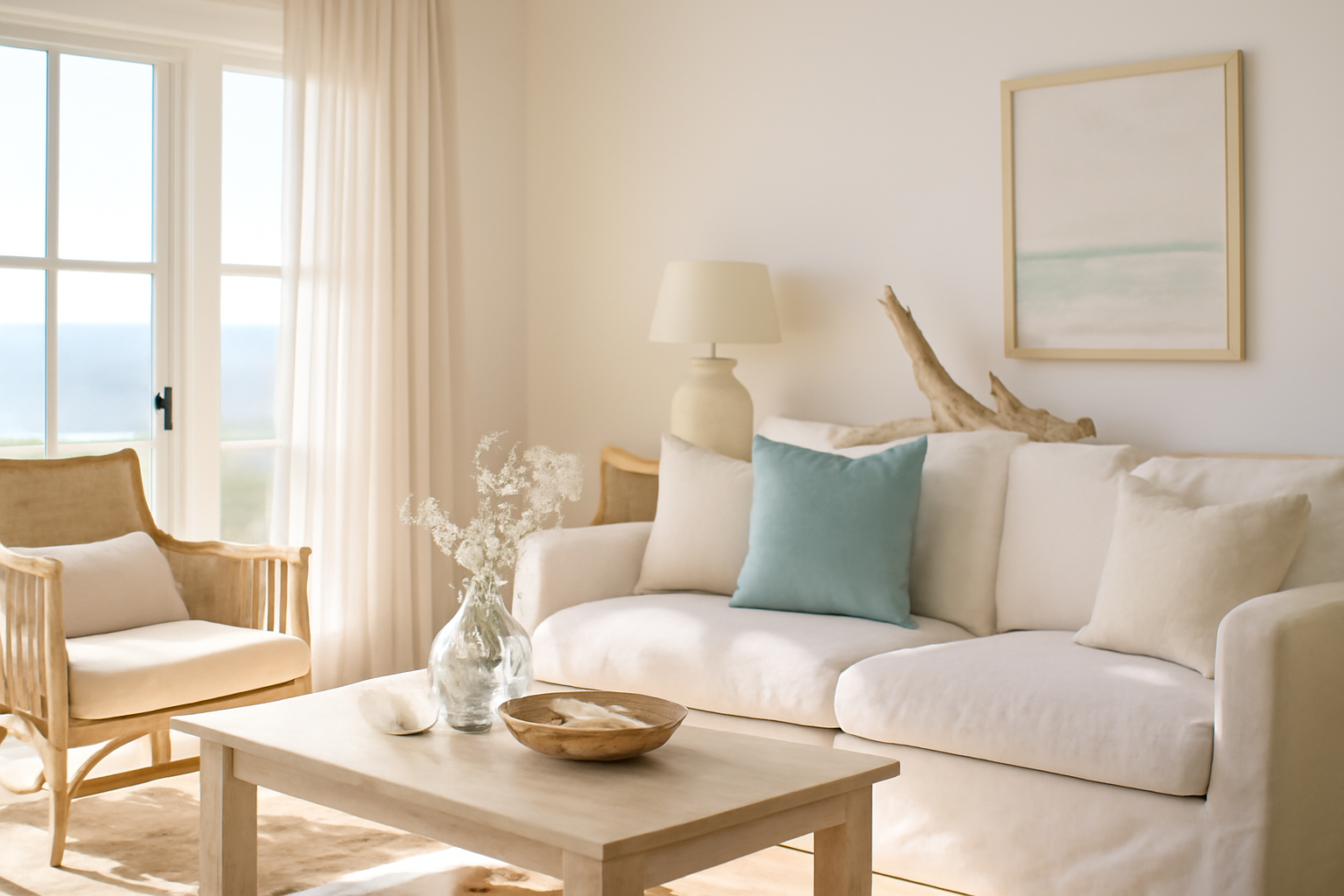
Creating a beautiful coastal-inspired space involves more than just choosing pretty items; it requires a keen eye for quality and craftsmanship. Many homeowners find themselves frustrated when their decor choices fall short of expectations, leading to disappointment and wasted resources.
This guide will help you identify quality issues in coastal decor and provide practical solutions to enhance your home's aesthetic. From selecting the right materials to understanding the importance of craftsmanship, we'll cover everything you need to ensure your decor shines.
Table of Contents
Quick Diagnosis: Identifying Quality Issues in Coastal Decor
Before diving into solutions, it's essential to recognize the symptoms of poor quality in coastal decor. Here are some signs to watch for:
- Fading Colors: If your decor appears dull or washed out, it may result from low-quality materials. Check for UV protection in fabrics and finishes, especially for items placed in direct sunlight. Consider testing a small area with a damp cloth to see if the color runs.
- Unstable Structures: Furniture or decor items that wobble or feel flimsy often indicate inferior craftsmanship. To assess stability, gently shake the item or apply slight pressure to different parts. Look for solid wood construction rather than particleboard, which is more prone to damage.
- Pilling or Fraying Fabrics: Textiles showing wear and tear quickly can detract from the overall look of your space. Inspect cushions and throws for pilling; a fabric shaver can help manage minor pilling. Additionally, check the stitching on seams to ensure they are tight and even, as loose threads can lead to fraying over time.
- Inconsistent Finishes: Items that lack a smooth, polished finish may not be made to last. Run your hand over surfaces to feel for rough patches or uneven textures. A high-quality finish should enhance the natural beauty of the material, whether it's wood, metal, or glass.
Additional Indicators of Quality
Beyond the initial signs, there are other aspects to consider when evaluating the quality of coastal decor: buying coastal decor errors.
- Weight: Heavier items often indicate sturdier construction. For instance, a solid wood table will typically weigh more than a similar-looking piece made from cheaper materials.
- Hardware Quality: Examine the hardware used in furniture, such as drawer slides and hinges. High-quality pieces will have smooth-operating mechanisms and durable materials, while cheaper options may feel flimsy or sticky.
- Craftsmanship Details: Look for details like dovetail joints in drawers or hand-painted finishes. These features often signify a higher level of craftsmanship and attention to detail.
Common Mistakes to Avoid
When assessing quality, it's easy to overlook some details. Here are common mistakes to avoid:
- Rushing the Purchase: Take your time to evaluate each piece thoroughly. Don't be swayed by impulse buys or sales without checking for quality.
- Ignoring Reviews: Customer reviews can provide valuable insights into the durability and quality of decor items. Look for patterns in feedback regarding the longevity and performance of the products.
- Overlooking Warranty Information: Quality products often come with warranties or guarantees. If a seller does not offer this, it may be a red flag regarding the item's durability.
By being vigilant about these signs and avoiding common mistakes, you can better ensure that your coastal decor not only looks beautiful but also stands the test of time. Remember, investing in quality decor will enhance your coastal living space, making it a comfortable and stylish retreat for years to come.
Common Pitfalls in Coastal Decor
Understanding the typical mistakes can help you avoid them. Here are some common pitfalls:
1. Prioritizing Aesthetics Over Quality
Many decorators focus heavily on the visual appeal of items-such as ocean-inspired decor-without considering their durability and craftsmanship. While it's tempting to choose decor that looks good in pictures, it's crucial to prioritize quality materials and construction.
2. Ignoring Fabric Quality
When selecting textiles, such as a luxurious throw blanket or a lightweight cozy blanket, consider the fabric's quality. Opt for soft velveteen material that not only feels good but also holds up over time. Poor fabric choices lead to quick wear and a less inviting space.
3. Falling for Trends Without Research
Trends can be alluring, but they often come with quality compromises. Before committing to trendy items, research their durability and suitability for your coastal theme.
Root Causes of Quality Issues in Coastal Decor
Understanding the root causes of quality issues is essential for making informed choices. By identifying these problems, you can avoid common pitfalls and invest in decor that enhances your coastal space without compromising on quality.
1. Low-Quality Materials
Many coastal decor items are manufactured with inexpensive materials that may not withstand the wear of daily life, leading to quick deterioration. Here are some common materials to watch out for:
- Plastic: While affordable, plastic can fade, crack, or warp when exposed to sunlight and moisture. Look for alternatives like resin or treated wood.
- Cheap Fabrics: Items made from low-quality textiles may fray or lose color after washing. Opt for materials like cotton, linen, or outdoor-grade fabrics that resist fading and wear.
- Subpar Paints and Finishes: Decor that is poorly painted or finished can chip or peel. Ensure that any painted items use high-quality, weather-resistant finishes.
When shopping, consider the weight and feel of the materials. Heavier, well-constructed items typically signal higher quality. Always check for product specifications and care instructions to gauge durability.
2. Poor Production Practices
Items sourced from mass production often lack the attention to detail needed for quality. Handmade or small-batch products often provide better craftsmanship. Here are some factors to consider:
- Assembly Quality: Inspect items for loose parts or uneven seams. Quality decor should feel sturdy and well-assembled.
- Finishing Touches: Look for well-executed details such as smooth edges, clean lines, and consistent paint application. These elements can make a significant difference in aesthetic appeal and longevity.
- Supplier Reputation: Research brands and suppliers. Companies that prioritize quality often have positive customer reviews and transparent production processes.
Consider visiting local artisan markets or shops that feature handmade goods. Not only do these items often have superior craftsmanship, but they also support local artists and businesses.
3. Lack of Knowledge
Many consumers simply do not know what to look for in quality decor. This can lead to decor gift selection challenges when purchasing for others or even oneself. To enhance your knowledge, follow these practical tips:
- Educate Yourself: Spend time researching coastal decor trends and materials. Online resources, blogs, and social media can provide valuable insights.
- Ask Questions: Don't hesitate to inquire about the materials and production methods when shopping. Sellers who are knowledgeable and passionate about their products will provide helpful information.
- Compare Products: When considering multiple options, compare quality indicators such as material type, brand reputation, and price. A higher price does not always guarantee better quality, but extremely low prices should raise red flags.
Additionally, create a checklist of quality indicators to refer to while shopping. This could include points such as material type, brand reputation, and craftsmanship details. Having a guide will empower you to make better-informed decisions when selecting coastal decor for your home or as gifts.
Fix It Fast: Ensuring Quality in Your Coastal Decor
Now that you've identified the problems, let's look at quick solutions to enhance the quality of your coastal decor:
1. Research Brands and Products
Before making a purchase, take the time to research brands. Look for those that specialize in coastal decor and have positive reviews regarding durability and quality. Consider exploring Etsy blanket listings for unique options that prioritize craftsmanship.
2. Choose Reputable Materials
When shopping for textiles, choose items made from high-quality materials. Look for options that feature soft velveteen material or other durable fabrics. This ensures your decor not only looks good but feels great and lasts longer.
3. Invest in Quality Over Quantity
Instead of filling your space with numerous low-quality items, invest in a few high-quality pieces that stand out. A well-placed, luxurious throw blanket or a beautifully crafted decorative piece can transform your space without overwhelming it.
Creating a Tranquil Home Atmosphere with Quality Decor
Quality decor contributes to a tranquil home atmosphere, enhancing your overall living experience. Here are some tips to achieve this:
1. Cohesive Color Palettes
Choose colors that reflect the calming essence of the coastal environment. Soft blues, sandy beiges, and crisp whites create a serene backdrop for your decor.
2. Thoughtful Arrangements
Arrange your decor in a way that feels intentional and harmonious. Avoid clutter and allow each piece, especially those that are high-quality, to shine.
3. Personal Touches
Add personal elements to your decor that reflect your style and experiences. This can include vacation souvenirs or family heirlooms that resonate with your coastal theme.
Conclusion: Take Action for Quality Coastal Decor
To ensure quality in your coastal decor, start by evaluating your current items and identifying any quality issues. Research brands, prioritize high-quality materials, and invest in fewer, better pieces. Your coastal home should reflect both beauty and comfort, creating a welcoming space for all. Begin today by assessing your decor and embracing quality choices that enhance your coastal aesthetic.
Steps to Evaluate Your Coastal Decor
Taking action for quality starts with a thorough evaluation of your existing decor. Here's a simple checklist to guide your assessment:
- Inspect Materials: Check the materials used in your decor items. Are they durable and suitable for a coastal environment? Look for water-resistant fabrics, solid wood, or high-quality metal finishes that can withstand humidity.
- Assess Condition: Look for signs of wear and tear. Are there scratches, stains, or fading? Items that show significant damage may need to be replaced or restored.
- Consider Functionality: Ensure that your decor serves a purpose. Does it enhance the comfort of your space? For example, a beautiful yet uncomfortable chair may not be a good investment.
- Match Your Style: Evaluate whether your decor aligns with your desired coastal aesthetic. If something feels out of place, it may be time to consider an upgrade.
Researching Quality Brands
Once you've assessed your current decor, the next step is to research brands known for their quality coastal decor. Here are some tips to help you find the right brands:
- Read Reviews: Look for customer reviews and testimonials online. Pay attention to comments about durability, comfort, and overall satisfaction.
- Visit Showrooms: If possible, visit local showrooms to see and feel the products in person. This can give you a better sense of quality than online shopping alone.
- Ask for Recommendations: Connect with friends, family, or online communities who have experience with coastal decor. Their insights can lead you to reputable brands.
- Check Return Policies: Ensure the brands you consider have fair return policies. This can provide peace of mind when making significant purchases.
Prioritizing High-Quality Materials
When selecting new decor, prioritize high-quality materials that not only look great but also stand the test of time. Here are some materials to consider:
- Natural Fibers: Look for items made from cotton, linen, or jute. These materials are breathable and perfect for a coastal vibe.
- Solid Wood: Choose furniture made from solid wood rather than particle board. Solid wood is more durable and can be refinished, extending its life.
- Marine-Grade Fabric: For outdoor or high-moisture areas, opt for marine-grade fabrics that resist fading and mildew.
- Glass and Ceramics: Incorporate decorative glass or ceramic pieces that can add an elegant touch while being easy to maintain.
Investing in Fewer, Better Pieces
Quality over quantity is key in coastal decor. Here's how to approach this philosophy:
- Define Your Essentials: Identify the must-have items that will enhance your space. This could be a statement piece like a large piece of art or a unique coffee table.
- Set a Budget: Allocate a budget for each essential item. This helps you focus on quality rather than impulse purchases.
- Mix and Match: Combine high-quality pieces with more affordable decor to create a balanced look without compromising on style.
- Be Patient: Don't rush the process. Take your time to find the perfect pieces that resonate with your coastal aesthetic.
Creating a Welcoming Space
A well-decorated coastal home should feel inviting and comfortable. Here are some tips to create that atmosphere:
- Use Soft Textures: Incorporate soft textiles like throw pillows, blankets, and area rugs to add warmth and comfort to your space.
- Incorporate Natural Elements: Bring the outdoors in by using plants, shells, or driftwood in your decor. These elements enhance the coastal feel.
- Layer Lighting: Use a mix of ambient, task, and accent lighting to create a cozy atmosphere. Consider lanterns or string lights for a relaxed vibe.
- Personal Touches: Add personal touches through family photos or travel souvenirs that tell your story and make the space uniquely yours.
By taking these actionable steps, you can ensure that your coastal decor not only looks beautiful but also feels comfortable and inviting. Embrace quality choices that reflect your personal style and enhance the coastal aesthetic of your home. Start today by making thoughtful decisions that will transform your space into a serene coastal retreat.