How to Fix Common Quality Issues in Decor Prints
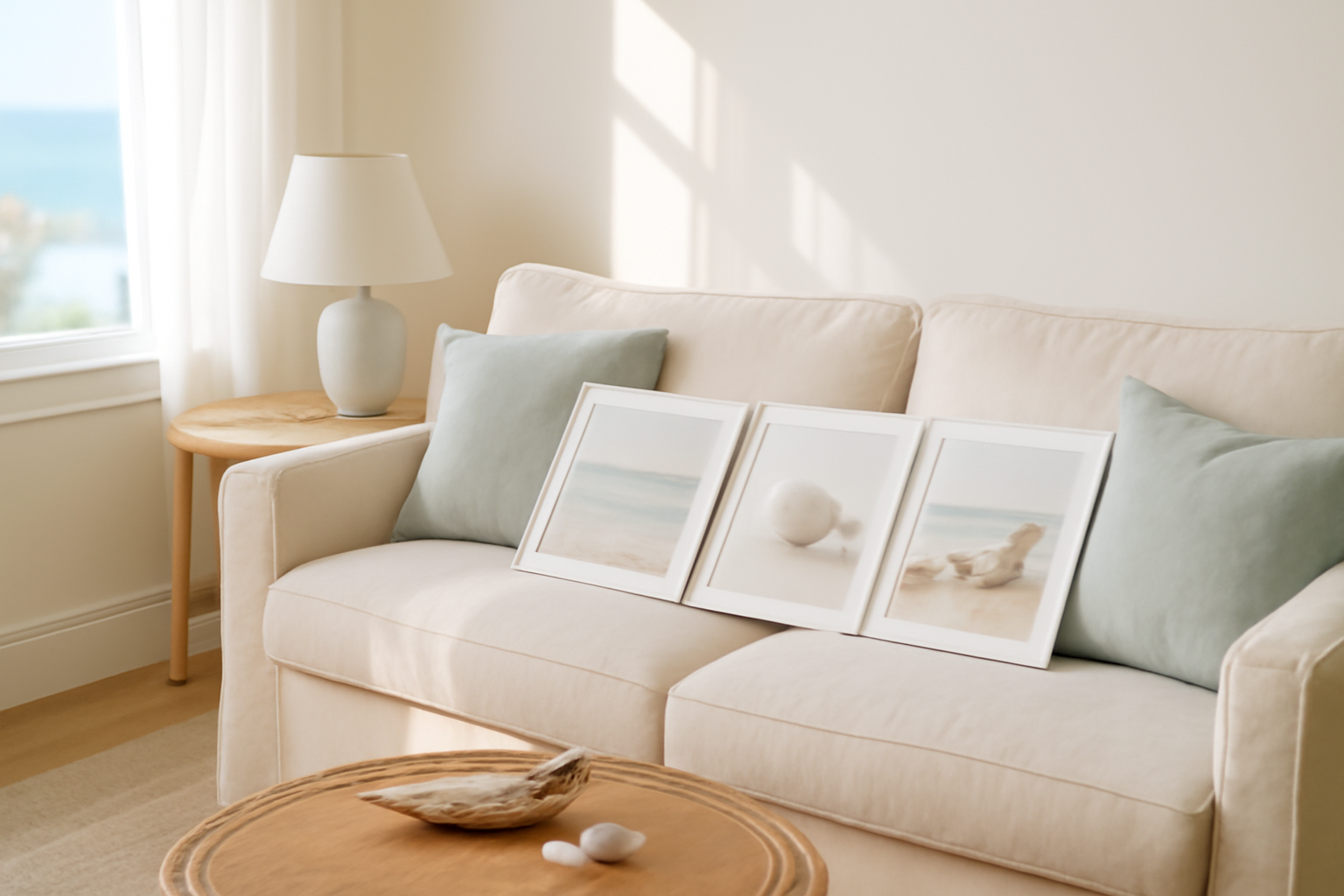
Decor prints are a beautiful way to enhance your coastal home, adding personality and character to any space. However, ensuring quality in these prints can sometimes feel like a challenge. From color accuracy to material durability, various factors can impact the final product.
This guide will help you identify and solve common issues related to quality in decor prints. Whether you're decorating your beach house or a cozy living room, understanding these elements can lead to a more satisfying decor experience.
Table of Contents
Understanding Quality in Decor Prints
When it comes to decor prints, quality can encompass several aspects, including print clarity, color vibrancy, and material choice. Each of these factors plays a significant role in how your decor will look and feel in your space. The Ultimate Guide to Print on Demand Coastal Home Decor.
Print Clarity
The clarity of a print is essential for achieving a high-end look. Blurry images or pixelation can detract from the overall aesthetic, making the decor appear cheap. It's crucial to ensure that the resolution of the image is high enough for the size of the print you choose. beach house decor challenges.
Color Vibrancy
Colors can vary significantly based on the printing process and materials used. Prints that lack vibrancy may look dull or washed out, failing to convey the coastal feel you desire. The choice of inks and the quality of the printing technique will influence how colors appear in the final product.
Material Choice
The material on which the print is made can also affect its quality. For example, prints on canvas may offer a different texture and appearance compared to those printed on paper. Understanding the different materials available will help you choose the right one for your decor style.
Quick Diagnosis of Quality Issues
To determine if you are facing quality issues with your decor prints, consider the following symptoms:
- Blurry or pixelated images upon closer inspection
- Colors that seem dull or mismatched with your decor
- Materials that feel flimsy or are prone to wear and tear
If you notice any of these issues, it's time to dig deeper into the root causes.
Step-by-Step Diagnosis
Here's a practical step-by-step approach to diagnosing quality issues with your decor prints:
- Inspect the Print Quality: Take a close look at your prints under different lighting conditions. Use a magnifying glass to check for pixelation or blurriness. If the image appears clear from a distance but blurry up close, it might indicate a low-resolution source file.
- Check Color Accuracy: Compare the colors of your prints with the actual decor items in your space. Use a color swatch or palette to see if the hues align. If they don't, it may be due to poor color calibration during printing.
- Assess Material Quality: Feel the texture of the print material. High-quality prints should have a solid, durable feel. If the material feels thin or flimsy, it might not withstand the test of time, especially in high-traffic areas.
- Evaluate Longevity: Consider how long the prints have lasted. If they show signs of fading or damage after a short period, this could indicate inferior materials or improper printing techniques.
Common Mistakes to Avoid
When diagnosing quality issues, be mindful of these common mistakes:
- Ignoring the Source Image: Always start with a high-resolution image. Low-quality images will result in poor prints, no matter how good the printing process is.
- Overlooking Color Profiles: Ensure that the color profile of your image matches the printer's settings. Using the wrong color profile can lead to significant discrepancies between what you see on screen and the final print.
- Neglecting Material Selection: Different materials yield different results. Ensure you choose the right material for your decor style and intended use. For example, canvas prints are great for a textured look, while metal prints offer a sleek, modern finish.
- Not Testing Samples: Always request a sample print before committing to a larger order. This allows you to assess the quality firsthand and make adjustments if necessary.
Checklist for Quality Assurance
Use this checklist to ensure you are on the right track with your decor prints:
- ✔️ Is the source image high resolution (at least 300 DPI)?
- ✔️ Have you verified the color accuracy with a physical color sample?
- ✔️ Are you using the recommended materials for your decor style?
- ✔️ Have you conducted a quality check on a sample print?
- ✔️ Are you aware of the care instructions for maintaining the prints?
By following these steps and avoiding common mistakes, you can effectively diagnose and address quality issues with your decor prints, ensuring they enhance your coastal home decor beautifully.
Root Causes of Quality Issues
Understanding the reasons behind quality issues can help you prevent them in the future. Here are some common root causes:
Poor Image Selection
Using low-resolution images can lead to pixelation when printed larger. Always opt for high-resolution files to ensure clarity.
Inadequate Printing Techniques
Not all printing methods are created equal. Techniques like giclée printing are known for their high quality, while others may produce inferior results. Researching the printing process used by your provider can make a significant difference.
Subpar Materials
The type of paper or canvas used can significantly affect the print's final look and durability. Cheap materials may not hold color well or could easily tear or fade over time.
Fix It Fast: Tips for Ensuring Quality
If you encounter quality issues, here are some quick fixes to improve your decor prints:
Choose High-Resolution Images
Always select images with a resolution of at least 300 DPI (dots per inch) for prints. This will help maintain clarity, especially for larger sizes. Here are some practical steps to ensure you have the right images:
- Use a camera with a high megapixel count, ideally 12 MP or higher, for original photographs.
- When downloading images from online sources, check the resolution before saving. Aim for images that are explicitly marked as high-resolution.
- Consider using vector graphics for designs, as these can scale without losing quality.
Opt for Quality Printing Services
Research printing options to find a reputable provider that offers high-quality printing techniques. Look for reviews that specifically mention print quality. Here's how to choose the best service:
- Request samples from potential printing companies to evaluate their work firsthand.
- Check if they use advanced printing technologies, such as giclée printing, which delivers superior color accuracy and detail.
- Look for printing services that offer a satisfaction guarantee; this can be a good indicator of their confidence in quality.
Select the Right Materials
Consider the type of material used for printing. For a coastal look, options like canvas or soft velveteen material can enhance the aesthetic and provide durability. Here are some tips for selecting the best materials:
- Canvas prints are ideal for a textured finish, making them perfect for coastal themes. They also resist fading, ensuring your prints maintain their vibrancy.
- Soft velveteen material adds a luxurious touch and is great for items like throw pillows or wall hangings, creating a cozy atmosphere.
- Consider the weight of the material; heavier options tend to feel more substantial and high-end.
Check Color Profiles
Using the correct color profile for your prints can make a significant difference in the final output. Follow these guidelines:
- Use RGB color profiles for digital displays and CMYK for print to ensure color accuracy.
- Before sending your images for printing, conduct a test print to see how colors appear on the chosen material.
- Adjust colors in your editing software to compensate for any discrepancies you notice during test prints.
Review Your Print Settings
Before finalizing your print order, double-check your settings to avoid common pitfalls:
- Ensure the correct paper size is selected to match your design dimensions.
- Adjust the print quality settings to the highest possible option, especially for detailed images.
- Preview your print layout to confirm that all elements are positioned correctly and nothing is cut off.
Seek Feedback
Getting a second opinion can help catch issues you might have missed. Here's how to effectively gather feedback:
- Share your designs with friends or family members who have a keen eye for aesthetics.
- Join online forums or social media groups focused on home decor to get insights from fellow decorators.
- Consider hiring a professional designer for a consultation if you plan to invest significantly in prints.
Choosing the Right Decor Prints for Your Space
When selecting decor prints, consider how well they fit with your existing style and color palette. For a beach-themed decor, look for ocean-inspired decor that resonates with your vision. Here are some considerations:
Match Colors with Your Palette
Choose prints that complement the colors in your space. If you have a neutral palette, vibrant prints can add a pop of color, while muted tones can create a serene atmosphere.
Consider Size and Placement
The size of your prints should be proportionate to the wall space. Large prints can serve as focal points, while smaller ones can be grouped to create an engaging gallery wall.
Incorporate Textures
Don't shy away from mixing textures. A lightweight cozy blanket draped over furniture or a luxurious throw blanket can enhance the overall look while providing comfort.
Conclusion: Take Action for Better Quality Decor Prints
To ensure quality in your decor prints, start by reviewing image choices and the printing services you use. Being intentional about these elements can create a beautiful coastal ambiance in your home. Consider incorporating nautical home accessories and beach-themed decorations for a cohesive look throughout the space. Well-curated decor elevates the living experience, making it feel both classy and comfy.
Review Your Image Choices
Begin by selecting high-resolution images that resonate with the coastal style. Look for images that capture the essence of the beach-think serene sunsets, crashing waves, or vibrant marine life. Here are some practical tips:
- Source Quality Images: Use stock photo websites or hire a local photographer to capture original images. Ensure they are at least 300 DPI for clear prints.
- Consider Color Palette: Choose images that complement your existing decor. Soft blues, sandy beiges, and crisp whites can enhance the coastal vibe.
- Test Prints: Before committing to large prints, create smaller test prints to evaluate color accuracy and clarity.
Selecting the Right Printing Service
The choice of printing service can significantly impact the final product. Here are steps to ensure you select a reputable service:
- Research Options: Look for printing services that specialize in decor prints. Read reviews and ask for recommendations from friends or online communities.
- Request Samples: Many services offer sample prints. Request a few to assess the quality of materials and print resolution.
- Check Material Options: Consider the type of paper or canvas used. A matte finish can provide a soft, elegant look, while glossy can enhance colors but may reflect light.
- Understand Their Process: Inquire about the printing process. Services that use high-quality inks and printers will yield better results.
Creating a Cohesive Coastal Look
Once you have your prints, think about how to integrate them into your home decor. Here are some strategies:
- Mix and Match: Combine prints of different sizes and orientations to create an engaging gallery wall. Use frames that reflect the coastal theme, such as weathered wood or whitewashed finishes.
- Incorporate Accessories: Add nautical home accessories like shell-themed candle holders or driftwood sculptures to tie the prints into your overall decor.
- Layer Textures: Use textiles like linen or cotton in your furnishings to complement the prints. Throw pillows or blankets in similar colors can enhance the overall look.
Avoid Common Mistakes
While curating your decor prints, be mindful of these common pitfalls:
- Overcrowding Walls: Avoid the temptation to fill every wall with prints. Leave some space for breathing room to ensure each piece stands out.
- Ignoring Lighting: Consider the lighting in the room. Natural light can change the appearance of prints throughout the day, so position them where they can be appreciated at all times.
- Neglecting Maintenance: Dust your prints regularly and consider using UV-protective glass for framed pieces to prevent fading.
By taking these steps, you can ensure that your decor prints not only look stunning but also contribute to a harmonious and inviting coastal home. Embrace the beauty of your surroundings and let your decor reflect the tranquility and charm of the beach lifestyle.