
How to how to care for coastal decor items: Step-by-Step
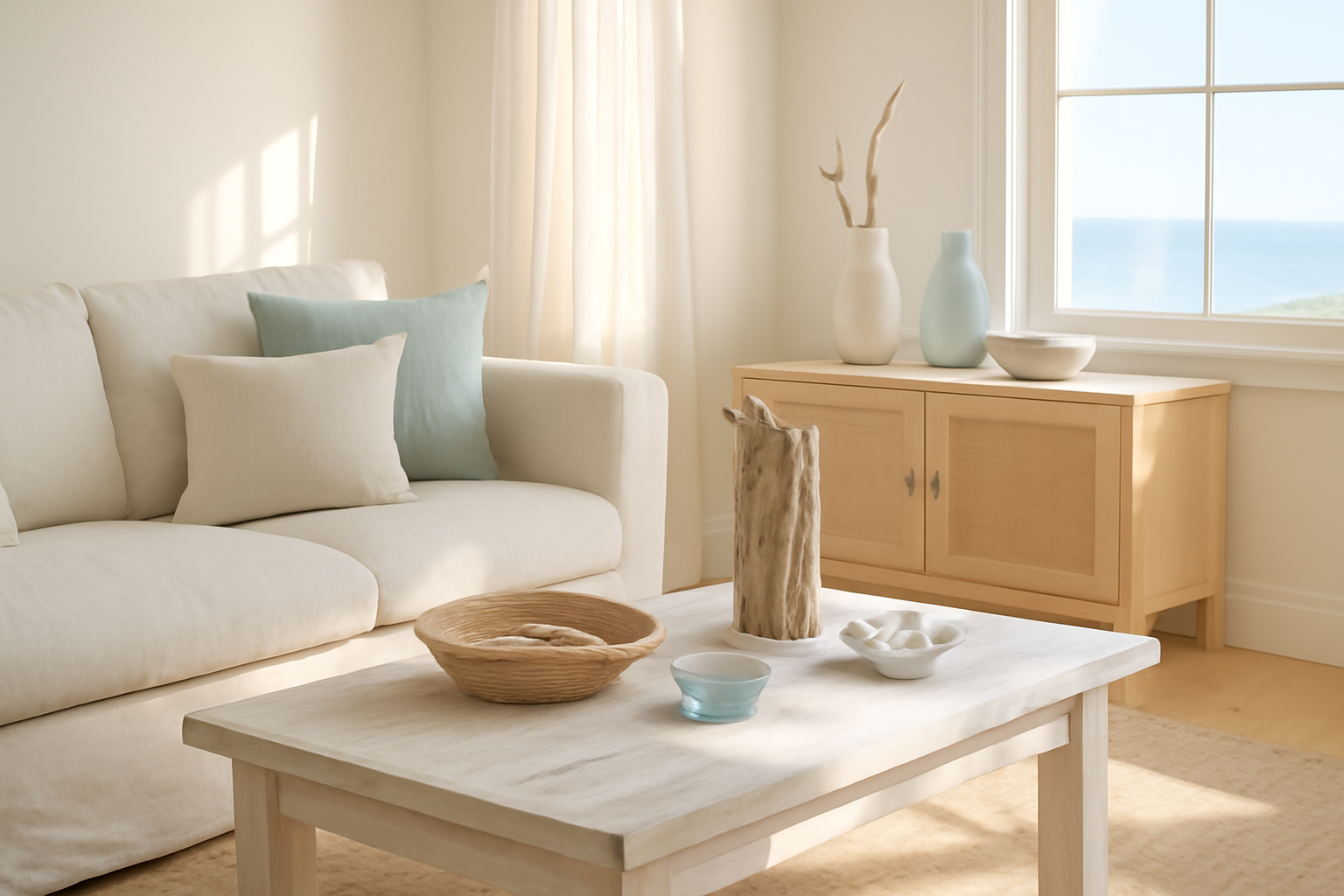
Caring for coastal decor items is essential to maintain their beauty and longevity. Whether you're decorating a beach house or infusing your home with ocean-inspired decor, knowing how to properly care for these pieces ensures they remain a delightful part of your living space. In this guide, we'll explore practical steps and tips for maintaining the integrity of your coastal decorations.
From lightweight cozy blankets to the charm of art pieces, understanding the specific care requirements can help preserve their quality. Let's dive into how you can keep your coastal decor looking fresh and inviting.
Table of Contents

Step 1: Dust Regularly
Dust can accumulate quickly on decor items, dulling their appearance. Regular dusting is crucial to keep your coastal decor looking its best. Not only does it maintain the aesthetic appeal, but it also helps prevent any potential damage that dust can cause over time. A consistent dusting routine can make a significant difference in the longevity of your decor pieces.
How to Dust
- Use a soft, dry cloth or a microfiber duster to gently wipe surfaces. Microfiber cloths are particularly effective as they trap dust rather than just moving it around.
- For intricate items, such as sculptures or woven decor, use a soft brush to reach crevices. A small paintbrush or a makeup brush can work wonders for delicate areas.
Establishing a Dusting Routine
Creating a regular dusting schedule can help you stay on top of maintenance. Here's a simple checklist to get you started:
- Weekly: Dust all flat surfaces, including shelves, tabletops, and mantels. Pay special attention to areas where dust tends to gather, like corners and behind larger decor pieces.
- Bi-weekly: Dust larger items such as picture frames, vases, and lamps. This is also a good time to rotate any decor items to keep the arrangement fresh.
- Monthly: Give your decor a more thorough cleaning. This includes dusting items that are often overlooked, such as ceiling fans, light fixtures, and the tops of cabinets.
Common Mistakes to Avoid
While dusting may seem straightforward, there are some common pitfalls to avoid:
- Using Damp Cloths: Avoid using wet or damp cloths, as moisture can damage certain materials and finishes. Stick to dry cloths for the best results.
- Ignoring High and Low Areas: Dust tends to settle everywhere, including high shelves and low furniture. Make sure to include all areas in your dusting routine.
- Forgetting to Move Items: Dust can accumulate under decor items. Regularly move items to ensure that all surfaces are cleaned.
Special Considerations for Coastal Decor
Coastal decor often includes natural materials like wood, shells, and textiles. Here are some specific tips for caring for these items:
- Wooden Decor: When dusting wooden items, consider using a specialized wood polish or cleaner after dusting to enhance the finish and protect against wear.
- Shells and Natural Elements: For shells, gently wipe with a damp cloth if they are particularly dirty, but ensure they are thoroughly dried afterward to prevent mold.
- Textiles: Fabrics can trap dust easily. For cushions or throws, shake them out regularly and consider washing them according to care instructions.
By establishing a consistent dusting routine and being mindful of common mistakes, you can keep your coastal decor looking fresh and inviting. Regular maintenance not only enhances the visual appeal but also prolongs the life of your cherished decor items, allowing you to enjoy your coastal haven for years to come.
Step 2: Clean with Care
Cleaning your coastal decor items properly can prevent damage. Different materials require different cleaning methods.
Cleaning Fabrics
- For lightweight cozy blankets and luxurious throw blankets, check the care label. Most can be machine-washed on a gentle cycle.
- Use a mild detergent and avoid bleach to maintain color and texture.
- Air dry or tumble dry on low to avoid shrinkage.
Cleaning Hard Surfaces
- For wood or ceramic pieces, use a damp cloth with a mild cleaner. Avoid abrasive cleaners that can scratch the surface.
- Always dry the item immediately after cleaning to prevent water damage.
Step 3: Protect from Sunlight
Prolonged exposure to sunlight can fade colors and damage materials. Protect your coastal decor from harsh UV rays to maintain its beauty and longevity. Here are some practical steps you can take to shield your decor from sun damage.
- Position decor away from direct sunlight whenever possible. Consider placing items on walls or surfaces that receive indirect light. For instance, if you have a beautiful coastal painting, hang it on a wall that faces north or east to minimize sun exposure during peak hours.
- Consider using UV-protective sprays for items that cannot be moved. These sprays can create a protective barrier against UV rays. Look for products specifically designed for fabrics, wood, or plastic, depending on your decor materials. Always test a small area first to ensure there's no adverse reaction.
- For textiles, rotate their position periodically to ensure even fading. If you have curtains or cushion covers, change their arrangement every few months. This simple rotation can help distribute sunlight exposure more evenly, preventing one side from fading faster than the other.
Additional Tips for Sun Protection
- Use Window Treatments: Install blinds, shades, or sheer curtains that can filter sunlight. Light-filtering materials allow natural light in while reducing UV exposure. Choose colors that complement your coastal decor for a cohesive look.
- Apply Window Films: Consider applying UV-blocking window films to your glass surfaces. These films can significantly reduce UV radiation while maintaining visibility and natural light.
- Regular Cleaning: Dust and clean your decor items regularly. Dust can trap heat and contribute to fading. Use a soft, damp cloth for cleaning to avoid scratching surfaces.
- Use Covers: For outdoor decor or items that are frequently exposed to sunlight, consider using protective covers when not in use. This extra layer can shield them from direct sunlight and environmental factors.
Common Mistakes to Avoid
- Ignoring the Angle of Sunlight: Be aware of how sunlight moves throughout the day. A spot that seems safe in the morning may be bathed in sunlight by afternoon. Check your decor placement at different times to ensure it's adequately protected.
- Overlooking Small Items: Small decor items, like candles or figurines, can also suffer from sun exposure. Don't forget to apply protective measures to these smaller pieces, as they can fade just as quickly.
- Neglecting to Rotate: Failing to rotate textiles or decor can lead to uneven fading. Make it a habit to check your decor every season and switch things up to maintain uniformity in color and wear.
By taking these steps, you can significantly extend the life of your coastal decor items, keeping them vibrant and inviting for years to come. Remember, a little proactive care goes a long way in preserving the beauty of your coastal home.
Step 4: Store Wisely
If you need to store your coastal decor items, do so carefully to prevent damage.
How to Store
- Wrap fragile items in acid-free tissue paper to prevent scratches.
- Store textiles in a cool, dry place. Consider using breathable storage bags for blankets and cushions.
- Avoid stacking heavy items on top of delicate pieces to prevent crushing.
Step 5: Repair and Refresh
Over time, even the best-loved decor may need a little TLC. Repairing and refreshing items can extend their life.
Simple Repairs
- For small tears in fabric, use fabric glue or a needle and thread for a quick fix.
- If a wooden piece gets scratched, consider sanding it lightly and applying a matching stain.
Refreshing Decor
- Consider giving a fresh coat of paint to wooden items to rejuvenate their look.
- Change out decorative elements seasonally to keep your space feeling fresh and inviting.
Step 6: Avoid Common Mistakes
Even with the best intentions, some common mistakes can lead to damage.
- Using harsh chemicals can strip finishes and damage materials, so always opt for gentle cleaners.
- Neglecting to dust and clean regularly can lead to permanent damage over time.
- Ignoring the specific care instructions for each item can result in avoidable wear and tear.
Checklist for Caring for Coastal Decor
Here's a simple checklist to help you remember the essential care steps:
- Dust surfaces weekly.
- Clean fabrics and hard surfaces as needed.
- Protect items from direct sunlight.
- Store items properly when not in use.
- Repair and refresh items as necessary.
- Avoid using harsh chemicals or neglecting care instructions.
Detailed Care Steps
To ensure your coastal decor stays beautiful and lasts for years, follow these detailed care steps:
- Dust surfaces weekly: Use a microfiber cloth to gently wipe down surfaces. This prevents dust buildup, which can dull the finish and attract pests.
- Clean fabrics and hard surfaces as needed: For fabrics, check labels for washing instructions. Most can be machine washed on a gentle cycle. For hard surfaces, a damp cloth with mild soap works wonders. Avoid soaking any wood or wicker pieces.
- Protect items from direct sunlight: Arrange decor to minimize sun exposure. Use sheer curtains or shades to filter light. Consider rotating items seasonally to reduce fading.
- Store items properly when not in use: Use acid-free tissue paper for wrapping delicate items. Store in a cool, dry place away from humidity. Avoid stacking heavy items on top of each other to prevent damage.
- Repair and refresh items as necessary: Keep a small repair kit handy for quick fixes. Use wood glue for furniture, fabric patches for upholstery, and touch-up paint for scuffs. Regularly assess your decor for signs of wear and take action promptly.
- Avoid using harsh chemicals or neglecting care instructions: Always read care labels before cleaning. Use natural cleaners like vinegar and baking soda for a gentle approach. If in doubt, test any product on a small, inconspicuous area first.
Common Mistakes to Avoid
Here are some common mistakes that can lead to damage and how to avoid them:
- Ignoring humidity levels: Coastal areas can be humid, which can affect certain materials. Use a dehumidifier in enclosed spaces to protect your decor.
- Using abrasive materials: Avoid scrub brushes or rough sponges when cleaning. Opt for soft cloths to prevent scratches.
- Overloading shelves: Ensure shelves are appropriately rated for weight. Distribute items evenly to avoid tipping or breaking.
- Neglecting seasonal changes: Rotate decor items with the seasons to minimize wear. This not only protects them but also keeps your space feeling fresh.
Seasonal Maintenance Tips
In addition to your regular care routine, here are some seasonal tips to keep your coastal decor looking its best:
- Spring: Conduct a deep clean. Wash all fabrics, vacuum upholstery, and dust every corner. Check for any items that need repairs or refreshing.
- Summer: Focus on protecting items from sun damage. Rotate decor to avoid prolonged sun exposure and consider using UV protectant sprays on outdoor items.
- Fall: Inspect items for any signs of wear or damage from summer use. Store outdoor decor properly as the season changes.
- Winter: If you live in a colder climate, ensure any outdoor decor is stored safely. Clean and prepare indoor items for the cozy season ahead.
By following this checklist and incorporating these detailed steps, you can ensure that your coastal decor remains a beautiful and inviting part of your home for years to come.
Conclusion
Caring for your coastal decor items doesn't have to be complicated. With regular maintenance and mindful practices, your ocean-inspired decor can remain a beautiful part of your home for years to come. Start by dusting and cleaning your items this week, and enjoy the fresh, inviting atmosphere they create in your space.
Regular Maintenance Checklist
- Weekly Dusting: Use a microfiber cloth to dust surfaces and decor items to prevent buildup.
- Monthly Deep Cleaning: Schedule a thorough cleaning of your decor items, including washing fabrics and polishing surfaces.
- Seasonal Inspections: Check for any signs of wear and tear, especially after extreme weather changes.
Practical Tips for Different Decor Items
Different materials require different care methods. Here are some specific tips based on common coastal decor materials:
Wooden Decor
- Use a soft, damp cloth for cleaning, followed by a dry cloth to prevent water damage.
- Apply a wood conditioner every few months to maintain its luster.
- Avoid placing wooden items in direct sunlight to prevent fading and warping.
Textiles and Fabrics
- Machine wash removable covers in cold water and air dry to avoid shrinkage.
- For non-removable fabric items, use a fabric-safe cleaner and a soft brush to remove stains.
- Consider using fabric protectors to repel stains and spills, especially in high-traffic areas.
Glass and Ceramics
- Wash glass and ceramic items with warm soapy water; avoid abrasive cleaners that can scratch surfaces.
- For stubborn stains, use a mixture of baking soda and water for a gentle scrub.
- Ensure items are completely dry before storing to prevent mold and mildew.
Avoiding Common Mistakes
Here are some common pitfalls to avoid when caring for your coastal decor:
- Using Harsh Chemicals: Avoid bleach or ammonia-based cleaners that can damage surfaces.
- Ignoring Humidity Levels: Coastal environments can be humid; consider using dehumidifiers to protect decor items.
- Neglecting to Rotate Items: Regularly change the arrangement of your decor to prevent fading and keep your space feeling fresh.
By following these practical steps and tips, you can ensure that your coastal decor remains a stunning feature of your home. Embrace the beauty of your ocean-inspired pieces, and let them bring a sense of tranquility and style to your living space for years to come.