
How to Navigate the Differences Between Coastal Home Decor and Traditional Decor
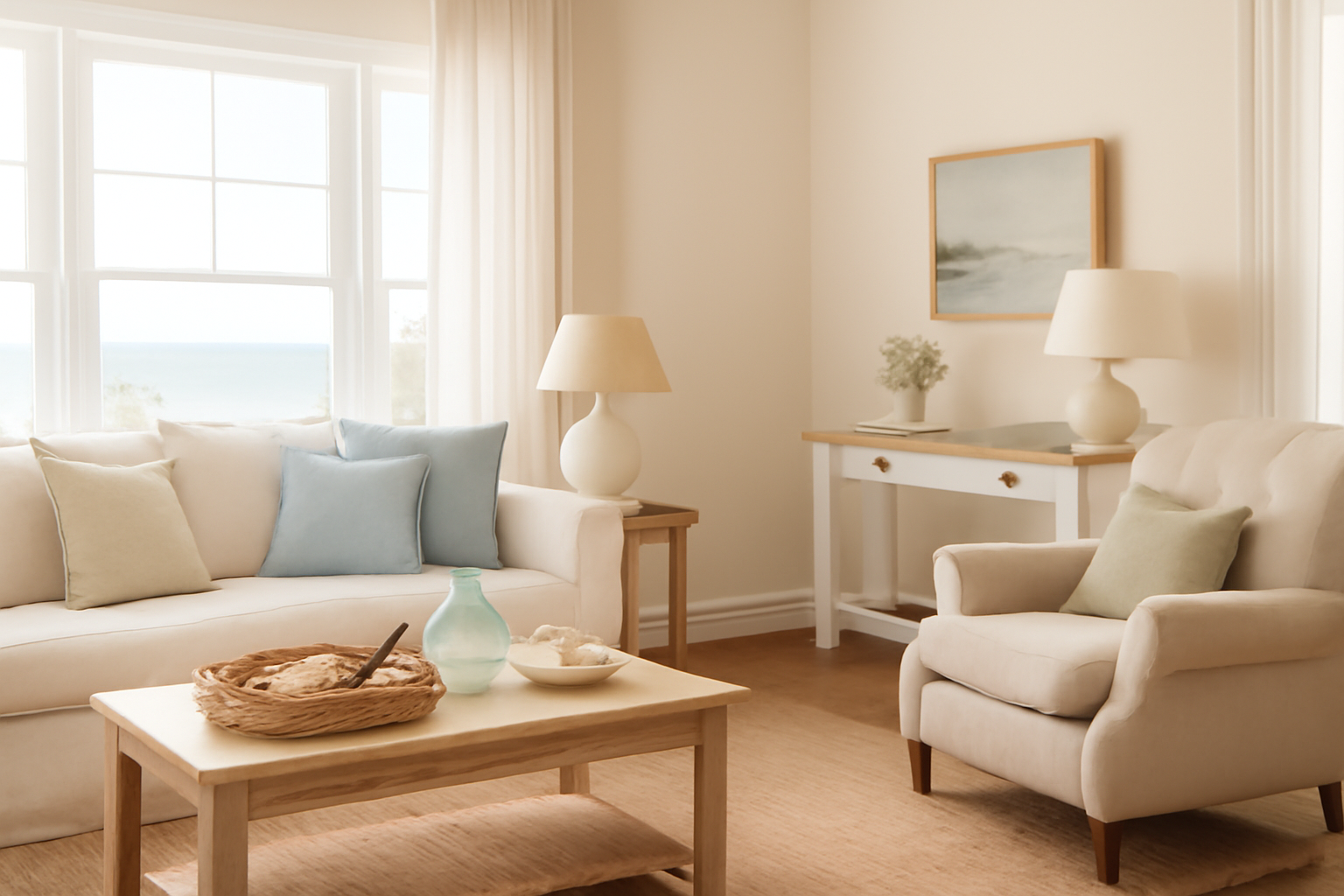
Choosing the right decor style for your home can be a daunting task, especially when you're torn between coastal home decor and traditional decor. Each style offers unique aesthetics, but they can also lead to confusion about how to create a cohesive look that feels both inviting and stylish.
Understanding the differences-and the potential pitfalls-can help you make informed decisions that reflect your personal style while maintaining a comfortable atmosphere. Let's explore the symptoms of mismatch, root causes of confusion, and practical fixes to create a harmonious living space.
Table of Contents
Quick Diagnosis: Identifying the Signs of Mismatch
Before diving into solutions, it's essential to recognize the signs that your decor may not be aligning with your vision. Identifying these mismatches can help you understand what changes are necessary to achieve a harmonious coastal aesthetic. The Ultimate Guide to Print on Demand Coastal Home Decor.
- Disjointed Aesthetics: If your space feels cluttered or lacks a cohesive theme, you might be mixing elements from both styles without realizing it. Take a moment to assess your decor. Are there items that feel out of place? Create a mood board to visualize your desired coastal theme and compare it with your current setup. This can help pinpoint which elements need to be removed or replaced.
- Inconsistent Color Palettes: Coastal decor often features soft blues and sandy neutrals, while traditional decor may lean towards richer, deeper tones. A mismatch can lead to visual confusion. To diagnose this, consider creating a color swatch chart that includes your current palette and your desired coastal colors. If your existing decor includes bold reds or dark woods, think about how you can introduce lighter, airier colors through paint, textiles, or accessories. A simple checklist can help:
- Identify three main colors in your current decor.
- List three coastal colors you want to incorporate.
- Plan how to transition your palette with new textiles, wall colors, or art pieces.
- Functional Discomfort: If your decor feels more like a display than a comfortable living space, it may be too formal or rigid, which is common in traditional settings. Evaluate your furniture and layout. Are the seating options inviting and comfortable? Do they encourage relaxation and conversation? Here are some practical steps to enhance comfort:
- Replace overly formal furniture with softer, more casual options like slipcovered sofas or oversized chairs.
- Incorporate layered textiles, such as soft throws and plush cushions, to create a cozy atmosphere.
- Rearrange furniture to promote flow and accessibility, ensuring people can move freely and gather comfortably.
By taking the time to assess these areas, you can better understand where your decor may be falling short and what adjustments are needed to fully embrace a coastal style that feels both stylish and comfortable. beach house decor challenges.
Root Causes of Confusion
1. Misunderstanding Style Definitions
Coastal home decor is characterized by light, airy elements, and ocean-inspired decor that evokes a sense of relaxation. Traditional decor, on the other hand, often features more formal structures, classic patterns, and a rich color palette. Without a solid understanding of these definitions, it's easy to mismatch elements from both styles.
To clarify the distinctions, consider creating a mood board for each style. For coastal decor, include images of soft textiles, light wood finishes, and colors inspired by the beach-think sandy beiges, seafoam greens, and sky blues. For traditional decor, gather images that showcase rich mahogany furniture, ornate patterns, and deep jewel tones. This visual representation can help you see the differences more clearly and guide your choices in decor.
Common mistakes in this area include using heavy, dark furniture in a coastal setting or incorporating overly ornate patterns in a beach house. When mixing styles, aim for balance. For example, a traditional piece like a wooden side table can be paired with coastal decor elements like a light-colored lamp or a woven basket to create harmony.
2. Overcomplicating the Design Process
Trying to incorporate too many design elements or themes can overwhelm the space. Many people feel the need to include various styles to express individuality, which can dilute the overall look.
To simplify the design process, start by defining a primary style. Once you have a clear vision, limit additional elements to one or two complementary styles. For instance, if your primary focus is coastal decor, you might consider adding a few traditional accents, like a classic armchair or a vintage mirror, but keep these to a minimum to maintain cohesion.
Creating a checklist can also help streamline your design choices. Ask yourself the following questions:
- Does this piece enhance the coastal vibe I'm aiming for?
- How does this item fit with my existing decor?
- Will this element contribute to a clutter-free environment?
Another common mistake is neglecting scale and proportion. A large, ornate traditional chandelier may overwhelm a small coastal dining area. Instead, opt for a simpler, lighter fixture that complements the open feel of coastal design.
3. Focusing Too Much on Trends
Trends can sometimes overshadow personal style. Embracing a decor trend without considering how it fits with your existing decor can lead to inconsistencies.
To avoid this pitfall, take time to evaluate trends critically. Ask yourself if a trend resonates with your personal aesthetic and if it will stand the test of time in your space. For example, while the minimalist coastal trend of using only a few statement pieces may be appealing, it's important to ensure that these pieces reflect your taste and the overall feel of your home.
Consider creating a "trend versus timeless" list. Write down current trends that interest you and assess how they can blend with your existing decor. If a trend feels too fleeting, look for ways to incorporate it subtly, such as through accessories like throw pillows or artwork, rather than larger furniture pieces.
Lastly, don't forget to keep functionality in mind. A trendy item that doesn't serve a practical purpose can lead to a cluttered and impractical space. For instance, while a trendy oversized chair might look great in a magazine, it may not work in your cozy coastal living room. Focus on pieces that enhance your lifestyle and comfort while still aligning with your desired aesthetic.
Fix It Fast: Practical Solutions to Align Your Decor
1. Establish a Clear Vision
Start by creating a mood board that captures the essence of the coastal or traditional style you want to achieve. Include colors, materials, and furniture styles that resonate with you. This visual guide will help streamline your choices. Consider using platforms like Pinterest or Canva to collect images that inspire you. Aim for a cohesive palette that includes soft blues, sandy neutrals, and crisp whites for coastal decor, or rich woods and deep hues for traditional decor. Once your mood board is complete, print it out or save it on your phone for easy reference while shopping.
2. Embrace Key Elements of Coastal Decor
Incorporate lightweight cozy blankets and beach-themed decorations to enhance the coastal vibe. Textures like soft velveteen material can add warmth without overwhelming the senses. Choose ocean-inspired decor that reflects the tranquility of the beach, such as wall art featuring marine life or natural fiber rugs. Consider incorporating elements like driftwood accents, seashells, or coral pieces as decorative touches. To help you visualize, think about how a soft, light-colored sofa paired with a jute rug and ocean-themed throw pillows can create that breezy feel. Don't forget to consider the scent; adding a subtle coconut or sea breeze candle can complete the atmosphere.
3. Select Statement Pieces Wisely
Choose a few statement pieces that embody the coastal style you love. Consider a luxurious throw blanket that adds color and comfort to your living room, or nautical home accessories that subtly nod to the sea without being overpowering. For instance, a large piece of art depicting a serene beach scene can serve as a focal point, while smaller items like a glass vase filled with sand and shells can tie the theme together. When shopping, look for versatile items that can transition between seasons, such as a light-colored sofa or a wooden coffee table that complements both coastal and traditional elements. Remember, quality over quantity is key; a few well-chosen pieces will make a stronger impact than a cluttered assortment.
4. Balance and Harmony
When mixing styles, aim for balance. If you have traditional furniture, soften the look with coastal accessories like decorative pillows or a lightweight cozy blanket. This approach creates an inviting atmosphere while respecting the integrity of each style. A checklist to achieve this balance includes:
- Assess your existing furniture: Identify pieces that can blend well with coastal elements.
- Choose a common color palette: Stick to shades that work well across both styles.
- Incorporate natural materials: Wood, linen, and cotton can bridge the gap between traditional and coastal aesthetics.
- Layer textures: Combine hard and soft elements, like a wooden coffee table with plush cushions, to create depth.
Common mistakes to avoid include overcrowding spaces with too many contrasting styles or colors, which can create visual chaos. Instead, strive for a harmonious look by allowing each piece to breathe and contribute to the overall ambiance. A well-placed piece of coastal art above a traditional fireplace can create a stunning focal point without clashing.
Conclusion: Take the Next Step Towards Your Dream Space
Understanding the differences between coastal home decor and traditional decor can help you create a space that feels both stylish and comfortable. Start small by incorporating a few coastal elements into your existing decor, and watch how they transform your home into a serene beach-inspired retreat. Remember, the key is to create a harmonious blend that reflects your unique taste.
Step-by-Step Guide to Incorporating Coastal Decor
To help you on your journey to a coastal-inspired home, follow these practical steps:
- Assess Your Current Space: Take a good look at your existing decor. Identify areas that can benefit from a coastal touch, such as living rooms, bedrooms, or even bathrooms.
- Choose a Color Palette: Coastal decor often features soft, muted colors inspired by the beach. Consider shades of soft blues, sandy beiges, and crisp whites. Create a color palette that resonates with the coastal vibe you want.
- Start with Key Elements: Incorporate essential coastal decor items. This could include decorative throw pillows with ocean motifs, light linen curtains that let in natural light, or a beach-themed wall art piece. These elements can easily blend with your existing decor.
- Layer Textures: Use various textures to add depth to your space. Think about incorporating woven baskets, driftwood accents, or soft, plush rugs that mimic the feel of sand. Layering textures can create a cozy, inviting atmosphere.
- Accessorize Thoughtfully: Consider adding accessories that evoke a coastal feel, such as seashells, coral, or nautical-themed decor. However, be careful not to overcrowd your space-less is often more.
- Evaluate Lighting: Lighting plays a crucial role in setting the mood. Opt for soft, warm lighting that mimics the glow of the setting sun. Consider adding lamps with natural materials, such as wood or rattan, to enhance the coastal ambiance.
- Take Your Time: Transitioning to a coastal style doesn't have to happen overnight. Gradually introduce elements and take time to see how they fit into your space. This approach allows for a more personalized touch.
Common Mistakes to Avoid
While transforming your space, it's important to be aware of common pitfalls:
- Overdoing the Theme: A common mistake is going overboard with coastal decor. Aim for a balanced look; too many nautical items can make your space feel like a beach shop rather than a home.
- Neglecting Functionality: Ensure that the decor you choose is functional as well as aesthetic. For example, opt for decorative storage solutions that are both stylish and practical.
- Ignoring Personal Style: While coastal decor has its characteristics, it should still reflect your personal taste. Incorporate pieces that resonate with you, whether they are from your travels or family heirlooms.
- Forgetting About Maintenance: Some coastal decor items may require more upkeep than traditional decor. Consider the maintenance needs of the materials you choose, especially if you live in a humid coastal area.
Final Thoughts
Embracing coastal home decor while blending it with traditional elements can create a unique and inviting space. By following these steps and avoiding common mistakes, you can curate a home that feels like a peaceful beach retreat. Remember, the journey to your dream space is a personal one-enjoy the process and let your creativity shine!